
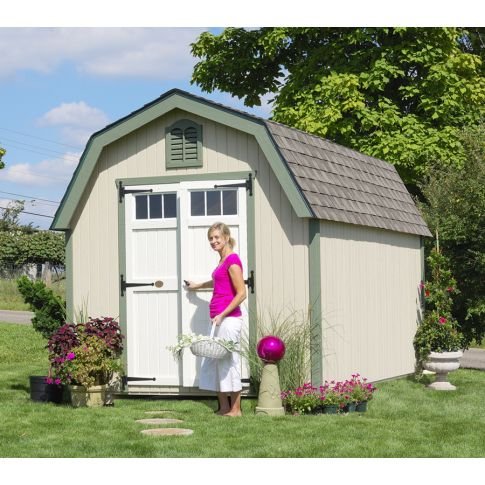
There’s always that one space people leave for last. The garage. The storage room. Or, very often, the shed.
It doesn’t seem urgent at first. It’s not part of your daily life, so it quietly stays outside your moving plan. Until suddenly, a few days before the move, you open the door… and realize you’ve been ignoring a completely separate project.
Clearing out a shed before moving is rarely simple. It’s where random, heavy, forgotten, and sometimes questionable items end up. And because of that, people tend to make the same mistakes over and over again.
Thinking “It Won’t Take That Long”
This is the most common trap. A shed doesn’t look that big from the outside. So naturally, it feels like something you can handle in a couple of hours. But sheds are deceptive.
They’re packed with layers of things you haven’t touched in years. Old tools, leftover materials, half-used products, broken items you once planned to fix. What starts as a quick clean-up turns into sorting, lifting, decision-making, and constant “what do I even do with this?” moments. And suddenly, half your day is gone.
Trying to Move Everything Instead of Deciding
When time is tight, people often default to the easiest option: pack everything and deal with it later. But with a shed, that approach creates bigger problems. Unlike regular household items, shed contents are often:
- heavy
- dirty
- rarely used
- sometimes not even worth keeping
Moving all of that just means you’re transporting clutter into your new space. The real value here is in deciding, not packing. Every item you don’t move saves you effort, space, and often money.
Ignoring Hazardous or Restricted Items
This is where things can get tricky. Sheds often contain items that movers simply won’t transport. Paint cans, chemicals, fuel containers, fertilizers, and old cleaning products. These aren’t just inconvenient. They’re restricted for safety reasons.
People usually don’t think about this until moving day, when it’s too late. Then you’re left figuring out disposal at the last minute, which adds stress and delays. Planning this part ahead of time makes a huge difference.
Underestimating the Weight of “Random Stuff”
One box of tools doesn’t seem like much. Until you try to lift it. Sheds tend to collect dense, heavy items. Metal tools, equipment, hardware, and spare parts. Things that don’t take up much space, but weigh far more than expected.
And when you combine multiple boxes like that, the effort increases fast. This is where people either get overwhelmed or slow down significantly, which again affects the entire moving timeline.
Not Preparing the Right Equipment
Clearing out a shed is not the same as packing a bedroom. You’re dealing with dust, sometimes dirt, sharp edges, and awkward shapes. Without basic preparation, the process becomes uncomfortable very quickly.
Gloves, proper bags, sturdy boxes — these small things make a big difference. Skipping them doesn’t save time. It usually makes everything harder.
Leaving It Until the Last Minute
This is probably the biggest mistake of all. The shed becomes the “final task” once everything else is done. But by that point, you’re already tired, running out of time, and just trying to finish.
So decisions become rushed. Things get packed without thinking. Items that should have been thrown away end up coming with you. And instead of closing the move cleanly, you carry unnecessary work into your new home.
Forgetting That It Affects the Whole Move
A shed isn’t isolated from the rest of your move. It impacts:
- How much are you transporting
- How long does loading take
- How much physical effort is required
- How organized does your final packing process feel
Ignoring it doesn’t simplify things. It shifts the complexity to the last possible moment.
The “I’ll Sort It After the Move” Myth
This idea sounds good in theory. Pack everything now, deal with it later. But in reality, once you’re in a new place, unpacking already takes time and energy. Adding a full shed clean-up on top of that rarely happens quickly. Those boxes end up sitting in a corner, untouched, for much longer than expected. And the problem isn’t solved. It’s just postponed.
Why a Different Approach Works Better
Clearing a shed before moving isn’t about speed. It’s about clarity. Start earlier than you think you need to. Break the process into smaller sessions. Make decisions as you go instead of postponing them.
And most importantly, accept that not everything deserves to move with you. This is one of the few parts of moving where reducing volume has a direct and immediate benefit.
When It Makes Sense to Get Help
For some people, a shed is a small task. For others, it’s a full project involving heavy lifting, sorting, and time they simply don’t have. This is where outside help can change the entire experience.
Working with experienced movers like https://move4umovers.com/ can simplify the physical side of the process, especially when it comes to handling heavy or awkward items that are difficult to move safely.