
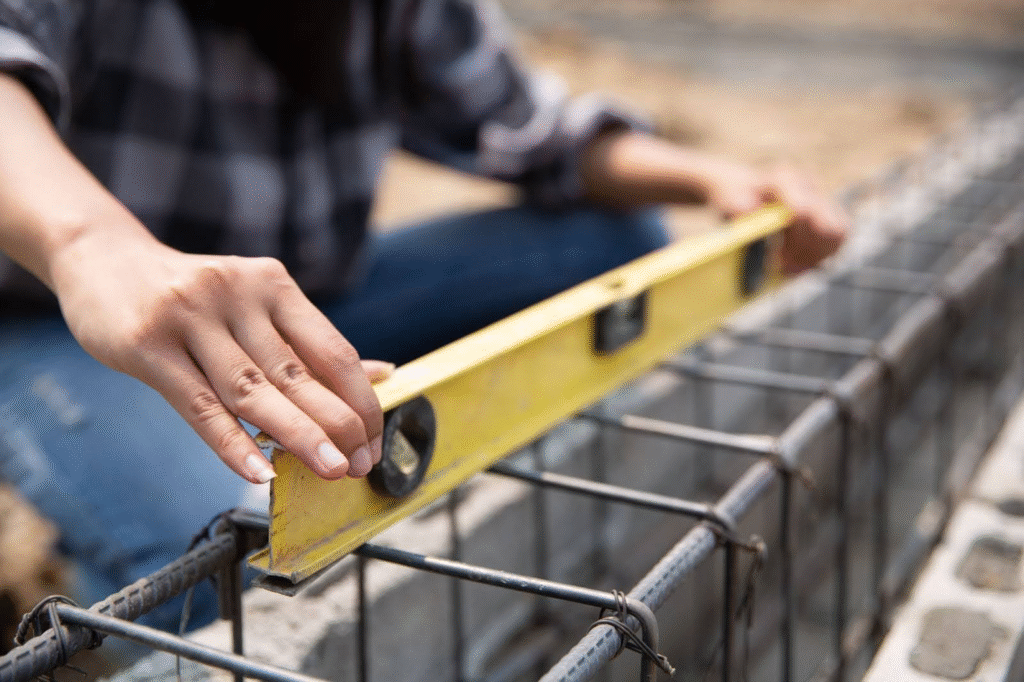
Why Shed Floor Thickness Matters
Most shed owners don’t think about their foundation until cracks appear. By then, the damage is done, and repairs become expensive and frustrating.
Your shed’s concrete floor bears the weight of everything you store inside. When the slab is too thin for the load, problems develop quickly. Cracks spread across the surface. The floor settles unevenly. In severe cases, the entire structure can shift, compromising your shed’s walls and roof. The thickness of your concrete floor determines how well it handles weight over time. Ground conditions, storage plans, and local weather all play a role in getting this measurement right.
This guide helps you match your foundation to your actual storage needs. You’ll learn how to calculate the right thickness based on what you plan to keep in your shed. Whether you’re storing garden supplies or converting your space into a full workshop, you’ll know exactly what your floor requires.
Building your shed foundation correctly the first time saves money and headaches down the road. Let’s make sure you get it right.
Understanding Load Requirements: What Will Your Shed Hold?
The weight you plan to store dictates how thick your concrete should be. Different storage types create different demands on your foundation.
Light storage includes garden tools, holiday decorations, and seasonal items. These objects rarely exceed a few hundred pounds total. A standard concrete thickness handles this load without issues.
Medium storage covers lawn mowers, bicycles, and light power tools. You might store a riding mower, workbench, or small compressor. The combined weight of these items can reach several thousand pounds. Your floor needs extra support to prevent stress cracks over time.
Heavy storage means workshop equipment, small vehicles, or machinery. ATVs, welding equipment, and heavy tool collections fall into this category. These items create concentrated weight that demands the strongest foundation specifications.
Calculating your total load starts with listing what goes in the shed. Estimate the weight of your heaviest items. Add up everything you’ll store regularly. Include the weight of shelving units, workbenches, and storage systems you’ll install.
Ground conditions matter just as much as weight. Clay soil expands and contracts with moisture changes. Sandy soil drains well but offers less natural support. Rocky soil provides excellent stability. Your concrete thickness must account for the earth beneath it.
A basic reference helps you start planning. Light storage on good soil works with a minimum thickness. Medium storage or poor soil conditions require stepping up. Heavy storage always demands maximum specifications, regardless of ground quality.
The Standard Thickness Guidelines and When to Go Thicker
The construction industry recommends 4 inches as the baseline for residential shed floors. This thickness works for most typical storage situations with light to moderate loads.
Four-inch handles garden sheds, seasonal storage, and basic workshop setups. The concrete spreads weight effectively across the base. For most homeowners, this standard meets their needs without overbuilding.
Six-inch thickness becomes necessary when you’re storing heavy equipment or vehicles. Workshop conversions with metal lathes, drill presses, or anvils require this extra depth. The additional two inches prevent cracking under concentrated loads that would damage thinner slabs.
Point loads create different stress than distributed weight. A heavy safe or machinery leg concentrates force on a small area. These situations need extra thickness or reinforcement pads under the load points. Distributed weight from shelving units or stored materials spreads force evenly and poses less risk.
Reinforcement strengthens concrete at any thickness. Wire mesh works well for 4-inch slabs with moderate loads. Rebar provides superior strength for 6-inch floors or challenging conditions. The reinforcement prevents cracks from spreading if they do develop.
Regional factors change your requirements significantly. Areas with deep frost need thicker edges and proper footings. Local building codes may mandate specific minimums based on climate data. Soil reports sometimes reveal conditions that require engineering solutions.
Professional guidance helps in complex situations. For homeowners seeking expert assessment, working with local buddy concrete contractors or another qualified professional can ensure your site is properly evaluated and built to the right specifications. These experts understand regional soil conditions and building requirements that may affect your project.
Beyond Thickness: Other Critical Foundation Factors
Thickness alone doesn’t guarantee a solid shed floor. Several other factors determine whether your foundation performs well over decades of use.
Site preparation starts before any concrete arrives. The ground must be level and properly graded for drainage. Compaction prevents settling that can crack even thick concrete. A 4-inch gravel base provides stability and helps control moisture.
Edge thickness differs from the main slab in many designs. Thickened edges or footings around the perimeter provide extra support where the structure meets the ground. This detail becomes critical in cold climates where frost can heave standard-thickness edges.
Drainage protects your investment from underneath. Water that pools under the slab creates pressure during freeze-thaw cycles. Proper grading moves water away from the foundation. Gravel bases allow moisture to drain rather than accumulate.
Curing time affects final strength more than most people realize. Concrete reaches full strength over 28 days, not when it looks dry. The weather during this period matters. Hot, dry conditions require extra watering to prevent surface cracking. Cold weather slows curing and may require protection.
Cost increases with thickness, but not as much as you might expect. The difference between 4-inch and 6-inch thickness adds about 50% more concrete. Labor costs stay similar. For critical applications, the extra expense provides significant peace of mind.
Common mistakes undermine even properly-sized slabs. Skipping the gravel base saves money initially but causes problems later. Inadequate compaction allows settling. Poor drainage creates pressure from below. Using too much water in the mix weakens the final product. These shortcuts cost more to fix than doing the job right from the start.

Making Your Decision: A Practical Thickness Calculator Approach
Choosing the right thickness comes down to answering a few key questions about your situation.
First, what’s the heaviest single item you’ll store? If it’s under 500 pounds, you’re in light storage territory. Between 500 and 2,000 pounds puts you in the medium range. Anything heavier requires maximum specifications.
Second, what’s your total storage weight? Add up everything going on in the shed. Light storage typically stays under 2,000 pounds total. Medium storage ranges from 2,000 to 5,000 pounds. Heavy storage exceeds 5,000 pounds or includes vehicles.
Third, what are your soil conditions? Good drainage and stable soil support standard thickness. Clay or sandy soil requires stepping up one level. Problem soils need professional assessment.
Your answers point to the right specification. Light loads on good soil work with 4 inches and wire mesh. Medium loads or challenging soil need 4 inches with rebar or 6 inches with mesh. Heavy loads always require 6 inches with rebar reinforcement.
Conclusion
Your shed’s foundation determines how well the entire structure performs over its lifetime. Getting the concrete thickness right prevents the frustration of cracks, settling, and structural problems.
Match your floor thickness to your storage plans and site conditions. Consider the weight you’ll store, the ground beneath your shed, and local weather patterns. Add proper reinforcement to handle your specific loads.
Take time to prepare the site correctly and allow adequate curing time. These steps matter just as much as the thickness itself.
With the right foundation under your shed, you’ll have a reliable storage space or workshop for decades. Build it right from the start, and your concrete floor will support whatever you need to store without worry.