
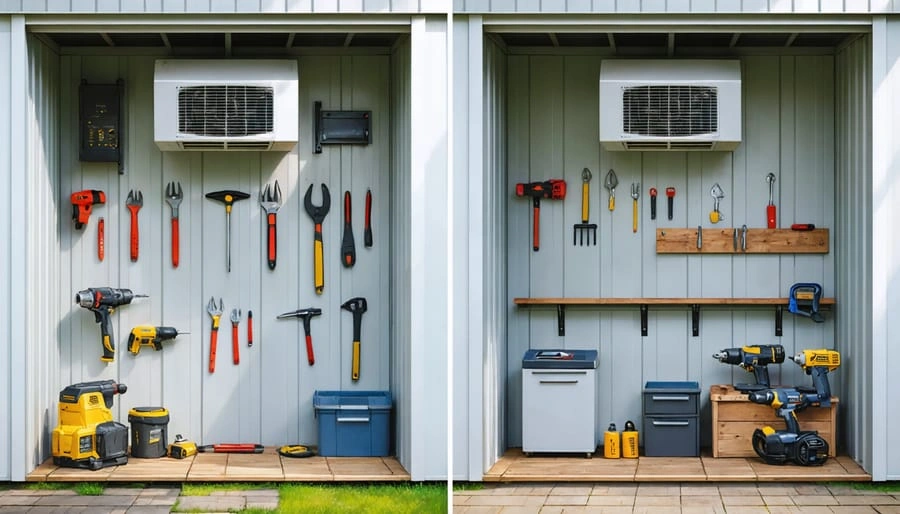
Did you know proper shed ventilation can prevent temperatures from soaring 20-25 degrees higher than the outside air during summer months? Neglecting this significant aspect of shed maintenance puts thousands of dollars’ worth of stored belongings at risk, and moisture can destroy them in just a matter of months.
Poor airflow turns our sheds into perfect breeding grounds for mildew and mold. Moisture finds its way through multiple channels – from roof leaks and improperly sealed windows to worn door thresholds. Your storage shed’s ventilation system needs proper investment to protect your items. Moisture from rainfall, humidity, and temperature fluctuations accumulates inside sheds without adequate ventilation, which leads to rusted tools, warped wood, and harmful mold growth.
This piece explores practical shed roof ventilation solutions that work for sheds of all sizes. You’ll learn exactly how to choose the right shed vents for your specific situation and implement a ventilation strategy that protects your valuable possessions without complicated installations.
Why Moisture is a Serious Problem in Sheds

Moisture accumulation in sheds isn’t just a minor inconvenience. This serious problem threatens both the structure and everything you store inside. Learning about this hidden enemy can save you thousands in repairs and replacement costs.
How moisture builds up inside sheds
Sheds create unique environments where several factors work together to trap unwanted humidity. Most sheds don’t have climate control systems like homes do, which makes them vulnerable to moisture problems.
Water droplets form on walls, ceilings, and your stored items, especially when you have temperature changes between day and night. The warm air meets cold surfaces and creates condensation. On top of that, ground moisture rises through the foundation. This happens more in sheds without proper vapor barriers or those sitting right on soil.
Your shed lets in rain and snowmelt through roof leaks, poorly sealed windows, and worn door thresholds. Stuff piled against walls blocks vital airflow and creates spots where moisture gets trapped. Even the vegetation touching your shed’s walls can bring in extra dampness.
Common signs of poor ventilation
You can prevent costly damage by spotting ventilation problems early. Water beads on interior walls and ceiling surfaces are the sort of thing I love to check first. A musty smell might hit you – that’s a clear sign mold or mildew has started growing.
Watch out for damp bedding materials, rusty metal tools, warped wood, and peeling paint. Dark spots on wood surfaces or breathing problems while you’re in the shed point to poor ventilation.
Damage caused by trapped humidity
Trapped moisture causes havoc in several ways. Poor airflow lets wood soak up extra water, creating perfect conditions for mold, mildew, and rot. Wood rot spreads fast and can weaken your shed’s entire structure.
Metal parts suffer too. Bad airflow leads to higher humidity, and rust forms on important structural pieces. Doors start sticking, roofs begin leaking, and the whole ordeal might end in structural collapse.
The problems go beyond just structural damage. Your tools rust, fabrics get mildewy, and electronics corrode. Moisture doesn’t just cause physical damage – damp spaces attract pests like insects and rodents that bring more destruction.
How Much Ventilation Does Your Shed Really Need?
Your shed ventilation needs depend on several factors. The right amount of airflow keeps your structure dry and protected.
Small vs large shed ventilation needs
The size of your shed determines how much ventilation you need. Small sheds under 100 square feet work fine with simple gable or wall vents. A compact 6×8-foot shed needs just one vent, but larger ones (10×12 or 12×16 feet) need multiple vents to work properly.
You’ll want a mix of ridge vents, soffit vents, and gable vents for medium-sized sheds to get complete air circulation. Any shed bigger than 200 square feet needs either active ventilation systems or at least three passive vents.
How to calculate airflow requirements
The US Federal Housing Authority’s 1:150 rule helps builders figure out exact ventilation needs. You need one square inch of ventilation for every 150 square feet of floor space. This means a standard 12’×12′ shed (240 sq. ft.) needs about 70 square inches each for intake and exhaust ventilation.
Building codes offer these calculations:
- With vapor barrier: 1 square foot of vent space per 300 square feet of floor area
- Without a vapor barrier: 1 square foot of vent space per 150 square feet of floor area
Here’s a quick way to calculate: take your floor area in square feet and divide by 2. This gives you the needed vent area in square inches. A 300 square foot shed needs 150 square inches of ventilation space.
When passive ventilation is enough
Shed ventilation systems without power work great for structures under 60 square feet. Sheds between 60-100 square feet can still use passive solutions, but you’ll need to place vents strategically.
Passive ventilation works best when you put vents on opposite walls—one low and one high. This creates natural airflow as warm air rises. This setup moves air effectively without needing powered assistance. You’ll get better moisture control while keeping things simple and costs down.
8 Shed Ventilation Ideas That Actually Work
Need practical shed ventilation solutions that won’t empty your wallet? I’ve spent years building and maintaining sheds, and I found eight reliable methods that work great to control moisture and temperature.
1. Wall vents for passive airflow
The lower portion of the shed walls needs wall vents to provide crucial intake airflow. These louvered openings let fresh air in while keeping rain out. You’ll get the best results by placing them 12-18 inches above ground level and positioning them to catch widespread winds.
2. Ridge vents for roof-level heat escape
Ridge vents along your roof’s peak create a continuous exhaust for rising hot air. They work quietly around the clock and reduce moisture buildup while protecting your roof from wearing out too soon. Your roofline will look smooth with properly installed ridge vents that help extend roof life.
3. Soffit vents to draw in cool air
Ridge vents work best when paired with soffit vents under the eaves to create a complete circulation system. Cool outside air comes in to replace hot air that escapes through higher vents. The quickest way to maximize airflow is to put one between every roof truss.
4. Solar-powered ventilation fans
Solar fans give you eco-friendly ventilation without any wiring or electricity costs. These fans work great for sheds without power access and run by themselves during daylight hours. Quiet brushless motors in many models keep working even when it’s cloudy.
5. Gable vents for cross-ventilation
Gable vents near the top of walls create horizontal cross-ventilation. The system works best with vents on opposite sides of your shed. Fresh air comes in while warm air escapes naturally.
6. Whirlybirds and turbine vents
Even slight breezes make these wind-powered ventilators spin and create a vacuum that pulls hot, humid air from your shed. Whirlybirds run quietly without electricity and keep working effectively even in heavy snow.
7. Windows and skylights for natural ventilation
Venting skylights do double duty by letting natural light in and releasing heat and moisture. You’ll get better visibility inside your shed thanks to their translucent, UV-resistant design that also helps with airflow.
8. Power gable fans for large sheds
Large sheds or those in really humid areas need power gable fans to control ventilation. These electric exhaust fans mount on gable walls and actively remove damp air. Built-in thermostats in many models turn on automatically when the temperature rises.
How to Choose the Right Shed Ventilation System
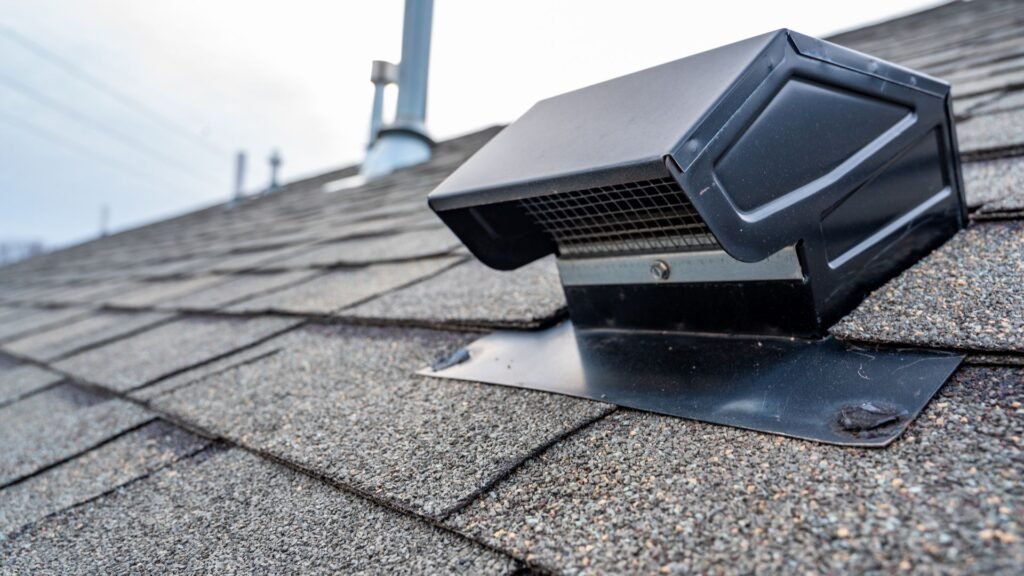
You need to think about several factors to pick the right shed ventilation system. Each shed is unique, and what works great for one might not work well for another.
Shed size and layout matter
The size of your shed determines how much ventilation you need. Simple ventilation options like gable or wall vents work well enough for small sheds under 100 square feet. Medium-sized sheds work better with a mix of ridge vents and soffit or gable vents. You’ll need either active ventilation systems or at least three passive vents for sheds bigger than 200 square feet.
Weather plays a big role
Your local weather affects which ventilation system you should choose. Sheds in hot, humid areas need extra ventilation to keep moisture away. You’ll need to adjust your vents as seasons change. Open them fully in summer and close them partially in winter to control moisture levels properly.
Mix and match ventilation types
The best results come from using different types of ventilation together. You could pair wall vents with ridge vents, or combine passive systems with solar-powered fans. Good ventilation needs equal areas for air intake and exhaust. It’s actually better to have slightly more intake than exhaust area.
Money and setup difficulty
While cost matters, you should balance upfront expenses against long-term protection. Passive systems are budget-friendly and need little maintenance. Powered options give you better control but cost more initially. Setup difficulty varies – some vents need just basic tools, while larger systems might need professional help.
Conclusion
Good shed ventilation is your first defense against moisture damage that can get pricey. This piece shows how poor airflow guides mold growth, rusted tools, and structural damage that can destroy thousands of dollars in belongings. On top of that, it will give a way to keep temperatures from rising 20-25 degrees above outdoor levels during summer.
Note that condensation on walls, musty odors, or dark spots on wood are clear signs you need to fix ventilation right away. Your shed’s size mainly determines how much ventilation you need – small structures might work with one or two passive vents, while larger buildings need complete systems that combine multiple types.
The 1:150 rule gives you a quick formula to calculate exactly how much ventilation your shed needs based on square footage. This helps you avoid installing too little or too much ventilation to control moisture properly.
You now have eight proven ventilation options, from simple wall vents to advanced solar-powered fans, based on what you need. Each option has its benefits, though mixing different methods is the quickest way to protect against moisture. Your local climate is a vital factor – sheds in humid areas need better ventilation than those in drier regions.
While budget matters, think about ventilation as an investment. The small cost of proper airflow now will save you substantially more in prevented damage later. Protecting your valuable tools, equipment, and shed structure is nowhere near as expensive as replacing them due to moisture damage. Start today to keep your shed dry, functional, and protected for years ahead.