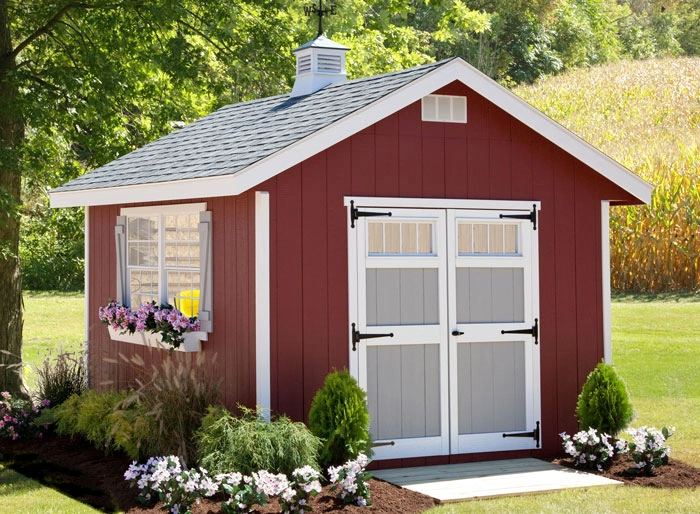
Artificial turf installation can turn the dusty, forgotten space around a backyard shed into a clean, useful, and good-looking part of the yard.
Most people think about the shed only when they need a rake, a paint can, or a box of holiday lights.
The area around it usually gets ignored.
It becomes a patch of dirt, weeds, cracked pavers, muddy footprints, or grass that never grows evenly because the shed blocks sunlight.
They create a tidy, low-maintenance surface through artificial turf installation that makes the shed look planned instead of parked in the corner like an afterthought.
Why the Shed Area Deserves Better Landscaping
A backyard shed can either help the yard look organized or make the whole space feel unfinished.
I once helped clean up a small shed area where the owner had a narrow strip of dead grass on one side and loose dirt near the door.
Every time it rained, mud tracked into the shed and then back onto the patio.
A simple synthetic grass layout changed the entire flow of that corner.
The shed looked cleaner.
The walkway felt more stable.
The yard suddenly had a finished edge.
That is the power of treating the shed like part of the landscape instead of just a storage box.
Start with the Problem Area Around the Shed
Before choosing any design, look at what is actually happening around the shed.
Is the soil uneven?
Does water collect near the door?
Is there shade most of the day?
Do weeds keep growing between stepping stones?
Does the lawn mower struggle to reach the narrow side space?
These small issues matter because they tell you what kind of landscaping will hold up.
Synthetic turf is useful because it can handle tight spaces, shaded areas, and awkward corners better than natural grass.
It also keeps the ground visually consistent, especially when the shed sits near a patio, side yard, garden bed, or pool area.
Create a Clean Turf Border Around the Shed
One of the simplest ideas is to frame the shed with a clean artificial grass border.
This works especially well when the shed sits against a fence or in the back corner of the yard.
Instead of letting weeds and dirt collect around the base, the turf creates a neat green outline.
Add a border using gravel, stone edging, brick, or metal landscape edging.
That small detail keeps the turf line sharp and makes the shed area feel intentional.
It also helps separate the storage zone from the rest of the yard.
Build a Small Turf Landing at the Shed Door
The shed entrance takes a lot of abuse.
People step there with muddy shoes.
Tools scrape the ground.
Wheelbarrows, bikes, bins, and lawn equipment roll in and out.
A small turf landing can make that spot cleaner and easier to use.
Think of it like a soft outdoor mat that does not slide around or fall apart after one season.
You can create a rectangle of synthetic grass directly in front of the door.
Then add stepping stones from the patio, driveway, or garden path.
This gives the shed a practical walkway and stops the area from turning into a dirt patch.
Use Stepping Stones with Synthetic Grass
Stepping stones and fake grass are a strong combination around sheds.
The stones provide structure.
The turf softens the look.
Together, they create a path that feels casual but polished.
For a modern yard, use large square concrete pavers with turf joints between them.
For a cottage-style yard, use irregular flagstone with green space around each stone.
For a family backyard, use wide pavers that are easy for kids to walk on without tripping.
This approach works well when the shed is used often because it gives your feet a dry, stable route.
Add Gravel Edging for Better Drainage
Many shed areas have poor drainage because they sit near fences, walls, or compacted soil.
Gravel edging can help manage water and improve the look at the same time.
A narrow gravel strip around the shed base can keep moisture away from the walls.
It also creates a clean break between the shed and the turf.
Use pea gravel, decomposed granite, river rock, or crushed stone depending on the style of the yard.
This is a practical choice if the shed stores tools, bikes, or seasonal items that need to stay dry.
Turn the Shed Corner into a Mini Garden Zone
A shed does not have to sit alone.
You can soften it with planters, raised beds, or vertical garden panels.
Artificial grass gives the area a clean floor, while plants add texture and height.
Place tall planters near the shed corners.
Use herbs, lavender, ornamental grasses, or drought-tolerant plants.
Add a trellis if the shed wall looks plain.
This creates a small garden moment without needing a full backyard redesign.
It also makes the shed feel connected to the rest of the outdoor space.
Make a Pet-Friendly Shed Side Yard
Side areas near sheds often become wasted space.
They are too narrow for furniture and too awkward for regular lawn care.
That makes them perfect for pet-friendly turf.
A narrow strip of synthetic grass can become a clean dog run, potty area, or shaded resting zone.
Choose turf with good drainage and a backing designed for pet use.
Add a small gravel section or hose-accessible area nearby for easier cleanup.
This works especially well in homes where dogs already walk around the shed or fence line.
Create a Tool-Free Maintenance Zone
One big reason people choose synthetic lawn material near sheds is simple.
They are tired of maintaining tiny patches of grass.
Small strips around sheds are annoying to mow.
They are easy to scalp with a trimmer.
They often turn brown from shade, foot traffic, or poor soil.
Replacing those areas with turf cuts out a lot of small maintenance headaches.
No mower.
No muddy patches.
No reseeding.
No weekly trimming around the shed walls.
That is a big win for a part of the yard that should be useful, not demanding.
Design a Backyard Work Zone
Some sheds are more than storage spaces.
They are used for gardening, DIY projects, potting plants, or small repairs.
If that sounds familiar, build a practical work zone outside the shed.
Use turf for the main surface, then add a small outdoor table or potting bench.
Place hooks on the shed wall for hand tools.
Add a weatherproof storage bin for gloves, soil bags, or garden supplies.
The turf makes the area more comfortable to stand on than concrete or gravel.
It also keeps the space cleaner than bare dirt.
Pair Turf with Mulch Beds
Turf and mulch can look great together when the layout is balanced.
Use synthetic grass as the walking or open area.
Use mulch beds around plants, trees, or the shed perimeter.
This gives the yard a natural layered look.
The mulch adds warmth.
The turf adds clean green coverage.
The shed stops feeling like a separate structure and starts looking like part of the landscape design.
For best results, use edging between the mulch and turf.
That keeps everything from blending together after wind, rain, or regular use.
Add Lighting Around the Shed
Lighting can completely change how the shed area feels at night.
Small solar path lights along the turf walkway make the space safer.
A motion light near the shed door helps when grabbing tools after dark.
Warm string lights can make the shed corner feel more like a backyard feature.
Lighting also highlights the clean lines of the turf, pavers, and borders.
This is especially useful if the shed is visible from a patio, deck, or kitchen window.
Use Turf to Hide Awkward Yard Shapes
Many sheds are placed wherever they fit.
That often leaves weird triangle-shaped gaps, narrow strips, or uneven patches behind and beside the structure.
Turf is flexible enough to work in those odd spaces.
It can be cut to fit curves, corners, and tight edges.
This makes it easier to clean up parts of the yard that would be difficult to landscape with sod or plants.
A custom-cut turf section can make an awkward shed corner look smooth and finished.
Keep the Layout Simple
The best shed landscaping ideas are usually not complicated.
A clean turf base.
A few stepping stones.
A gravel border.
Two planters.
One light near the door.
That may be all the space needs.
The goal is not to overdecorate the shed.
The goal is to make the area easier to use and better to look at.
When the design is simple, it also stays easier to maintain.
Common Mistakes to Avoid
Do not place turf directly over uneven dirt without preparing the base.
That can lead to dips, bumps, and poor drainage.
Do not skip edging if the turf sits next to mulch, gravel, or soil.
The edges will look messy over time.
Do not ignore water flow around the shed.
Water should move away from the structure, not pool beside it.
Do not choose the cheapest turf just because the area is small.
Shed zones often get heavy foot traffic, so durability matters.
A Simple Shed Turf Plan That Works
Here is a practical setup that works for many backyards.
Install a compact synthetic lawn area around the shed entrance.
Add stepping stones from the patio or main walkway.
Place gravel along the shed base for drainage.
Use two planters near the front corners.
Add one solar light or motion light near the door.
This gives you a shed area that looks clean, drains better, and feels easier to use every day.
It is not fancy.
It is just smart.
Final Thoughts
The shed might be one of the most overlooked parts of the backyard, but it has real design potential.
With artificial turf installation, the area can go from muddy, patchy, and forgotten to clean, useful, and polished.
Synthetic grass works especially well because it handles shade, foot traffic, tight corners, and low-maintenance needs.
Pair it with gravel, pavers, planters, lighting, or mulch, and the shed can become a natural part of the yard instead of an eyesore.
A small upgrade in that one corner can make the whole outdoor space feel more finished.