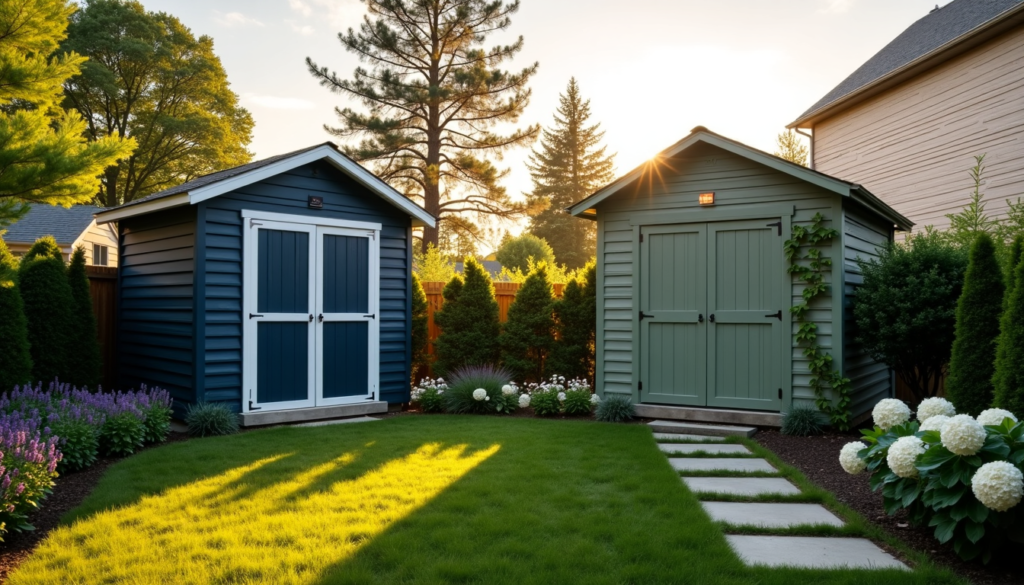
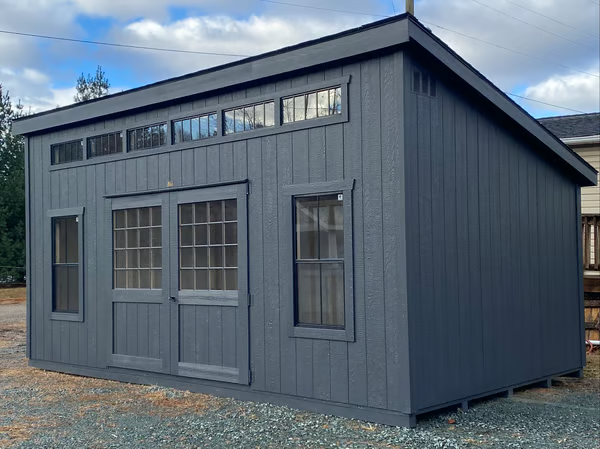
A transitional interior designer Bel Air can turn a simple backyard office shed into a polished, comfortable workspace that feels connected to the home instead of looking like an afterthought.
Picture this.
You step out of the kitchen with a cup of coffee, cross a small stone path, open a glass door, and enter a quiet office that feels calm, refined, and deeply personal.
That is the magic of a well-designed backyard office shed.
It is a private retreat, a creative studio, a meeting room, and sometimes the only place where real work gets done with help from a transitional interior designer Bel Airs, without the noise of daily life.
Why Backyard Office Sheds Are Becoming A Luxury Design Feature
Backyard offices used to be plain utility spaces.
A desk, a chair, maybe a fan, and that was about it.
Now they are being designed with the same level of care as living rooms, libraries, and primary suites.
Homeowners in Bel Air, Santa Monica, Brentwood, and nearby Los Angeles neighborhoods are using these spaces to create separation between work and home without sacrificing comfort.
The best office sheds do not feel temporary.
They feel intentional.
They include proper lighting, built-in storage, layered textures, climate control, acoustic comfort, and furniture that fits the scale of the room.
A good design makes a small space feel generous.
A poor design makes even a large shed feel cramped.
That difference usually comes down to planning.
What Transitional Design Brings To A Backyard Office
Transitional design blends classic elegance with modern simplicity.
It avoids anything too cold, too trendy, or too ornate.
That balance works beautifully in a backyard office because the space needs to feel professional during the day and relaxed after hours.
Think warm wood tones, clean-lined furniture, soft neutral walls, tailored window treatments, and subtle architectural details.
Instead of filling the space with heavy decoration, the room gets character from proportion, texture, and thoughtful materials.
A slim writing desk can sit beside a built-in bookcase.
A linen pinboard can soften one wall.
A leather chair can add warmth without making the room feel formal.
The result feels collected, not staged.
Start With The Way You Actually Work
Before choosing paint, flooring, or furniture, start with your daily routine.
Do you take video calls all day?
Do you need a drafting table?
Do you spread paperwork across every surface?
Do you work best facing a window or facing away from distractions?
One homeowner I worked with wanted a backyard office because the dining table had become a permanent laptop zone.
At first, they imagined a tiny desk and a simple chair.
After walking through their day, it became clear they needed three zones.
One for focused laptop work.
One for client video calls.
One for printing, samples, and files.
That changed the whole layout.
The final office was still compact, but it worked because every inch had a job.
Use Natural Light Without Creating Glare
Backyard sheds often have great access to daylight.
That is a gift, but it needs control.
Too much direct sun can make a screen impossible to see.
Too little light can make the room feel like a storage unit.
The sweet spot is soft, filtered daylight.
French doors, clerestory windows, or a narrow side window can bring in light without making the space feel exposed.
Roman shades, woven blinds, or linen drapery can help control brightness while adding texture.
If the office faces a garden, position the desk so the view feels calming instead of distracting.
A glimpse of olive trees, hedges, or climbing jasmine can make long workdays feel less boxed in.
Choose A Calm Color Palette
A backyard office should help your mind settle.
That does not mean it has to be boring.
It means the palette should support focus.
Warm whites, soft taupes, muted greens, pale stone, mushroom gray, and sandy beige all work well in transitional interiors.
These shades connect nicely with outdoor landscaping and feel timeless inside a small structure.
For contrast, bring in darker accents through a walnut desk, bronze hardware, charcoal upholstery, or black-framed doors.
The trick is restraint.
One strong contrast moment is elegant.
Too many competing finishes make a small office feel busy.
Make Storage Look Built-In, Not Added Later
Small offices fall apart fast when storage is ignored.
Paper piles up.
Cords show.
Books lean against walls.
A printer ends up sitting in the corner like an appliance nobody planned for.
Built-in storage solves that problem.
Even a shallow cabinet wall can hold office supplies, tech accessories, chargers, files, and samples.
Open shelving can display books and meaningful objects.
Closed doors can hide the mess.
A custom desk with drawers can keep the work surface clear.
This is where a transitional interior designer Bel Air approach works especially well because the storage can feel architectural instead of bulky.
Pick Furniture That Fits The Room, Not A Catalog
Backyard offices are usually smaller than interior rooms.
That means furniture scale matters.
A massive executive desk can ruin the flow.
A chair that looks great online may overwhelm the room once it arrives.
Measure everything.
Leave enough space to pull out the chair.
Keep walkways clear.
Choose pieces with slim profiles and useful function.
A writing desk with drawers can be better than a deep desk with no storage.
A compact lounge chair can create a reading corner without stealing too much floor space.
A round side table can soften all the straight lines.
The goal is comfort without crowding.
Layer Lighting Like A Real Room
One ceiling light is not enough.
A polished backyard office needs layered lighting.
Start with ambient lighting for general brightness.
Add task lighting at the desk.
Use accent lighting to highlight shelving, artwork, or a textured wall.
A table lamp can make the space feel less like a workspace and more like a private study.
Wall sconces are helpful when surface space is limited.
Warm bulbs usually feel better than cool, harsh lighting.
This matters most during late afternoon calls or evening work sessions when natural light fades.
Good lighting makes the room feel finished.
Bad lighting makes even expensive furniture look flat.
Bring In Texture So The Space Feels Human
A small office can easily feel sterile if every surface is smooth and new.
Texture fixes that.
Use a wool rug, grasscloth wallpaper, woven shades, linen upholstery, leather accessories, plaster-style walls, or natural wood shelves.
These materials make the room feel layered.
They also help with acoustics.
Hard surfaces bounce sound, which can make video calls feel sharp and echo-heavy.
Soft textures absorb sound and make the room more comfortable.
A rug under the desk can make a surprising difference.
So can fabric panels, upholstered seating, and window coverings.
Connect The Office To The Landscape
A backyard office should not feel dropped into the yard.
It should feel connected to the outdoor setting.
Use pavers, gravel paths, low planting, and exterior lighting to create a smooth transition from the main house.
Plan what you see from inside the office.
A blank fence is not inspiring.
A layered planting bed is.
Even a narrow planter with rosemary, lavender, boxwood, or ornamental grass can make the view feel intentional.
At night, low garden lights can make the walk back to the house feel safe and beautiful.
This is the kind of detail homeowners remember because it affects daily use.
Add Personality Without Losing Focus
A workspace should not feel like a hotel lobby.
It should have a little soul.
Add framed art, family photos, travel pieces, vintage books, ceramics, or a sculptural object that means something.
Keep it edited.
One client once brought in a small black-and-white photo from their first apartment.
It was not expensive.
It was not large.
But once it was framed and placed above the desk, the office instantly felt personal.
That kind of detail gives a room warmth.
The best interiors are not just pretty.
They feel lived in.
Avoid The Most Common Backyard Office Mistakes
The biggest mistake is treating the shed like a shed.
That leads to cheap flooring, poor insulation, weak lighting, and furniture that does not support real work.
Another mistake is ignoring power needs.
Plan outlets for laptops, lamps, printers, monitors, chargers, speakers, and future equipment.
Do not forget ventilation.
A beautiful office is useless if it gets too hot in July or too cold in January.
Also think about privacy.
If the office faces a neighbor, use landscaping, frosted glass, shades, or strategic window placement.
Good design solves problems before they become daily annoyances.
How Interior Designer Santa Monica Style Influences Backyard Offices
Santa Monica design often brings in breezy materials, natural light, relaxed textures, and indoor-outdoor comfort.
That influence pairs well with Bel Air’s more refined transitional style.
Together, they create office sheds that feel polished but not stiff.
You might see pale oak floors, soft white walls, coastal-inspired textiles, tailored cabinetry, and garden-facing doors.
The space feels elegant enough for serious work but relaxed enough to enjoy with coffee on a quiet morning.
That balance is especially useful in Los Angeles homes, where lifestyle and design often overlap.
Final Thoughts On Designing A Backyard Office Shed
A backyard office shed can be far more than a place to answer emails.
It can become the room that helps you think clearly, work better, and enjoy your home in a new way.
The smartest designs begin with real life.
They consider how you work, where the light enters, what you need to store, how the room sounds, and how the space connects to the garden.
With the right planning, even a small structure can feel tailored, calm, and elevated.
That is why hiring a transitional interior designer Bel Air specialist can make such a difference.
The finished space should not feel like a trend.
It should feel like it always belonged there.