
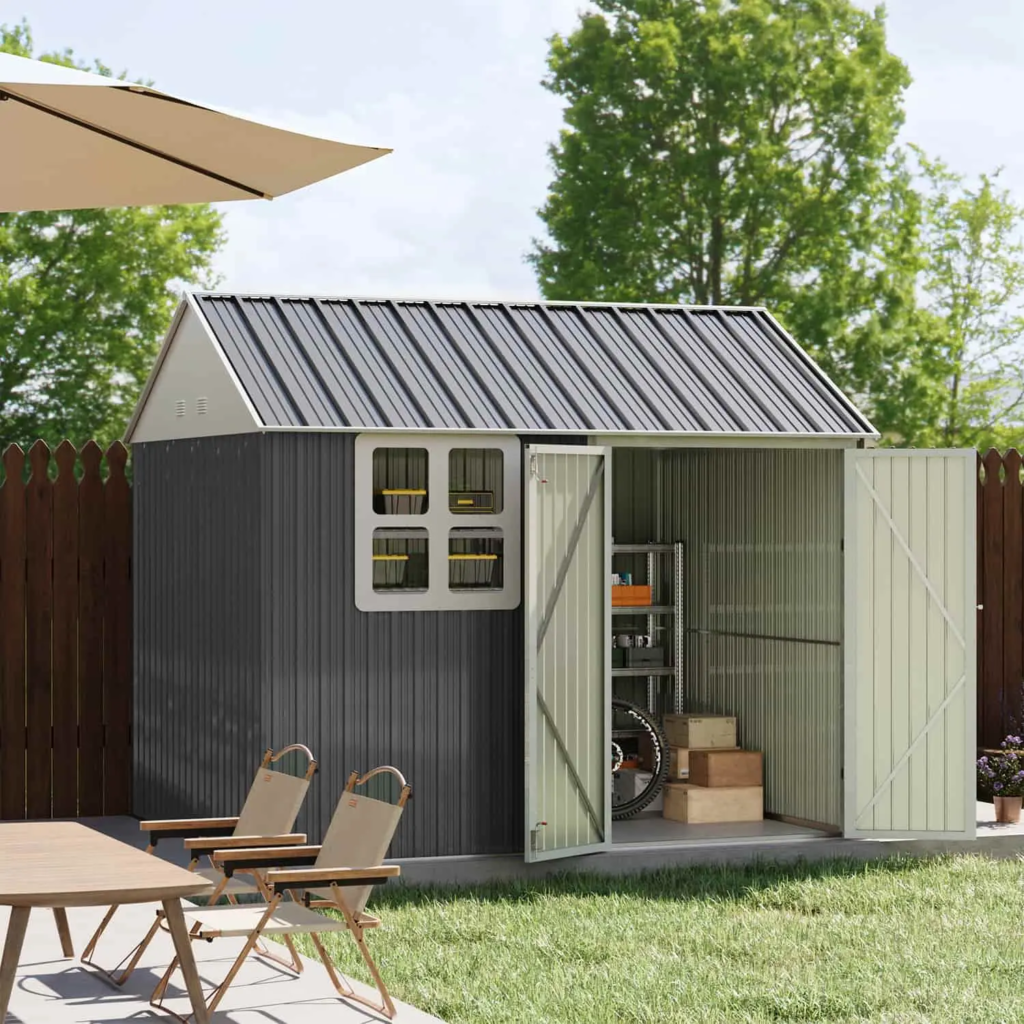
Appliance repair Clermont can make a backyard shed workshop far more practical when you rely on small appliances, backup refrigeration, laundry equipment, or power tools that need a steady, safe setup.
A shed workshop sounds simple at first.
You picture a clean bench, a few tools, maybe a mini fridge in the corner, and enough storage to finally get the garage back.
Then real life shows up.
The outlet is in the wrong spot.
The mini fridge hums too loudly.
The old dryer you moved outside trips the breaker.
The freezer you wanted for extra storage starts leaking near your tool chest.
That is when a backyard workspace stops being a weekend dream and becomes a real project that needs smart planning.
For more practical home maintenance guidance, you can also check this helpful resource on appliance repair Clermont.
Why a Shed Workshop Needs More Than Tools
A good shed workshop is not just about saws, shelves, and pegboards.
It is about function.
If you are using the shed for woodworking, appliance tinkering, gardening, crafts, repairs, or storage, the space has to stay dry, powered, organized, and safe.
I once helped set up a small backyard work shed where everything looked perfect on day one.
The shelves were level.
The workbench was solid.
The lighting looked great.
Then the owner plugged in a compact refrigerator, a fan, a battery charger, and a small compressor at the same time.
The lights flickered.
The breaker popped.
The fridge never cooled properly after that.
That one mistake turned a clean setup into a frustrating repair bill.
That is why planning your electrical load, appliance placement, ventilation, and moisture control matters before you move anything heavy into the shed.
Start with the Purpose of the Shed
Before buying storage bins or hanging tools, decide what the shed workshop is actually for.
A repair shed needs a different layout than a garden shed.
A woodworking shed needs more dust control.
A hobby shed may need better lighting and temperature control.
A backyard laundry or utility shed needs stronger attention to plumbing, drainage, and appliance safety.
Ask yourself what you will do in the shed most often.
Will you repair lawn equipment?
Will you store a spare refrigerator or freezer?
Will you keep a washer, dryer, or cleaning supplies there?
Will you use power tools every weekend?
Will the space be used year-round?
Clear answers help you avoid wasting money on the wrong setup.
Plan the Electrical Setup First
Power is the backbone of any functional workshop.
Do not treat shed electricity like an afterthought.
Extension cords running across the floor may work for one afternoon, but they are not a long-term setup.
A workshop should have properly placed outlets, grounded circuits, safe lighting, and enough capacity for the equipment you plan to use.
Small appliances can pull more power than people expect.
A mini fridge, chest freezer, portable air conditioner, or electric dryer needs the right electrical support.
Power tools can also spike when they start.
If several items run at once, the circuit may overload.
That can damage appliances, reduce performance, or create a fire risk.
If you are unsure about the load, have a licensed electrician review the setup before connecting appliances.
Keep Appliances Off the Floor
Backyard sheds deal with dust, moisture, insects, and temperature changes.
That makes appliance placement important.
Never place a refrigerator, freezer, washer, dryer, or small appliance directly on a damp floor.
Use a raised platform, stable stand, or sealed surface that keeps the unit level and protected.
A slightly uneven floor can make a washing machine shake hard.
A tilted freezer may not seal correctly.
A refrigerator sitting too close to a wall may overheat because the coils cannot release heat.
Leave space around appliances for airflow.
Keep cords away from water.
Avoid stacking boxes around vents.
These small choices help appliances last longer and run more safely.
Think About Heat Before It Becomes a Problem
Sheds can get hot fast, especially in Florida-style humidity and summer heat.
A closed shed can feel like an oven by mid-afternoon.
That heat is hard on refrigerators, freezers, chargers, batteries, and anything with a motor.
If a fridge has to work too hard to stay cool, the compressor may wear out faster.
If a freezer sits in extreme heat, it may run constantly and still struggle to hold temperature.
Add vents, fans, insulation, or a small climate-control option if the shed will hold appliances.
Even basic airflow can make a major difference.
Place heat-producing appliances away from direct sunlight.
Keep them away from walls that bake during the day.
Build Around Moisture Control
Moisture is one of the biggest enemies of a backyard workshop.
It rusts tools.
It warps wood.
It damages appliance parts.
It can also create musty odors that spread into stored items.
Start with the floor.
Seal gaps where water can enter.
Use weatherstripping around doors.
Check the roof after heavy rain.
Look for condensation near appliances, windows, and metal surfaces.
If you store a washer, dryer, freezer, or refrigerator in the shed, check for leaks regularly.
A tiny drip behind a unit can soak the floor before anyone notices.
Keep a small flashlight nearby so you can inspect hoses, cords, and connections without moving everything around.
Create Zones That Make Sense
A shed workshop works better when every area has a job.
One wall can hold tools.
One corner can hold appliances.
One section can be used for messy work.
Another area can store cleaning supplies, parts, or seasonal items.
This layout keeps the shed from turning into a pile of “I’ll deal with it later.”
Put heavy appliances near stable walls and accessible outlets.
Keep repair tools close to the workbench.
Store chemicals, paints, and solvents away from heat-producing appliances.
Keep anything flammable away from dryers, chargers, and motors.
A simple zone system makes the space easier to use and safer to maintain.
Choose the Right Workbench Height
A workbench sounds basic, but the wrong height can ruin the shed experience.
If it is too low, your back will complain after ten minutes.
If it is too high, small repair jobs become awkward.
A good workshop bench should match the kind of work you do.
For appliance parts, small repairs, and hand tools, waist height usually works well.
For heavier projects, a slightly lower bench may give better control.
Add a durable top surface that can handle scratches, oil, water, and dropped screws.
Mount a power strip only if it is rated for workshop use and placed away from moisture.
Do not overload it with appliances.
Use it for light-duty tools, chargers, or task lighting.
Make Storage Easy to See
Hidden storage can become forgotten storage.
Clear bins, open shelves, pegboards, and labeled drawers make a shed easier to use.
When something breaks, you do not want to dig through five mystery boxes just to find a screwdriver or replacement hose clamp.
Use wall space as much as possible.
Hang tools vertically.
Keep cords wrapped and off the floor.
Use magnetic strips for small metal tools.
Store appliance manuals, warranty papers, and part numbers in a waterproof folder.
That one folder can save you time when a refrigerator, washer, dryer, or dishwasher needs service.
Add Lighting That Helps You Work
A single ceiling bulb is rarely enough for a workshop.
Shadows make repairs harder.
Poor lighting also makes it easier to miss loose wires, leaks, cracks, or worn appliance parts.
Use bright overhead lighting and task lighting near the bench.
LED lights are a smart choice because they run cooler and use less energy.
Place lights where they do not shine directly into your eyes.
Add a portable work light for tight spaces behind appliances.
Good lighting makes the shed feel cleaner, safer, and more useful.
Keep Safety Gear Within Reach
A backyard workshop should always have basic safety gear.
Keep gloves, safety glasses, a first-aid kit, and a fire extinguisher near the entrance.
Use a fire extinguisher rated for electrical fires.
Do not bury it behind boxes.
If the shed contains appliances, power tools, batteries, or extension cords, safety gear is not optional.
Keep a smoke detector or heat detector if the space has regular power.
Check it often.
Sheds are separate from the home, so problems can go unnoticed longer.
Watch for Appliance Warning Signs
Appliances usually give warning signs before they fail completely.
A refrigerator may run nonstop.
A freezer may build up frost.
A dryer may take longer than usual.
A washer may shake, leak, or smell musty.
A small appliance may trip the outlet or feel hot to the touch.
Do not ignore those signs in a shed.
Outdoor workshop conditions can make small problems worse.
Heat, dust, and moisture can speed up wear.
If something sounds different, smells unusual, leaks water, or struggles to work, unplug it and inspect the area.
For larger units, professional appliance service in Clermont may be safer than guessing.
Do Not Turn the Shed Into a Dumping Ground
Every shed starts organized.
Then one broken fan, one extra chair, one old microwave, and three boxes of random parts appear.
Soon, the workshop becomes storage with a workbench trapped inside it.
Set a simple rule.
If something has not been used in a year and does not serve the workshop, remove it.
Keep walkways open.
Keep appliance panels accessible.
Keep the electrical area clear.
A clean shed is easier to maintain and safer to use.
Make It Comfortable Enough to Actually Use
A shed workshop should feel practical, not punishing.
Add a fan for airflow.
Use a rubber mat near the bench.
Keep a stool nearby.
Add hooks for towels or work aprons.
Use a small trash bin for packaging, old parts, and debris.
These details sound small, but they decide whether you use the shed often or avoid it.
A comfortable setup makes weekend projects easier.
It also helps you notice appliance issues sooner because you actually spend time in the space.
Final Thoughts
A backyard shed workshop can become one of the most useful areas on your property when it is planned correctly.
The key is to think beyond storage.
Power, airflow, moisture control, appliance placement, lighting, and safety all matter.
A good setup helps your tools last longer, your appliances run better, and your projects feel less stressful.
When the shed is organized, powered safely, and built around real use, it becomes more than a small backyard structure.
It becomes the place where broken things get fixed, weekend projects get finished, and your home works a little better every day.