
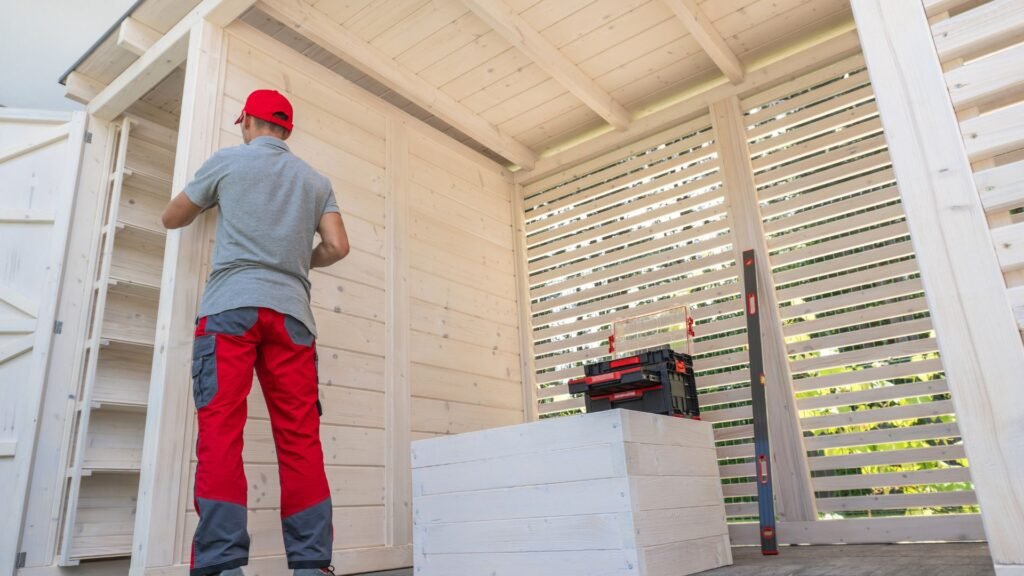
Summer 2026 marks peak season for backyard workshop construction across the United States, with homeowners seeking dedicated spaces for woodworking, automotive projects, and hobby pursuits. ShedCalculator.com provides detailed estimates for workshop-specific features like electrical systems, workbenches, and storage solutions tailored to serious DIYers.
Why Build Workshop Sheds Now?
Workshop sheds add functional square footage without expensive home additions. Summer construction allows uninterrupted project time before fall weather closes outdoor spaces. Average workshop sheds cost $6,000-$12,000 versus $50,000+ for home additions, delivering 80% cost savings.
Building a separate workshop keeps mess, noise, and dangerous tools away from living spaces. This separation improves home safety and preserves family areas for relaxation rather than projects.
Workshop Shed Design Essentials
Workshop sheds require 8-foot minimum wall heights for comfortable standing work. Electrical systems need 20-amp circuits for power tools and 240V outlets for welders. Workbench areas demand 36-42 inch heights for ergonomic comfort.
- Basic workshop: 12×16, single 20A circuit, basic bench.
- Advanced shop: 16×20, multiple circuits, 240V capability, dust collection.
- Hobby studio: 10×12, natural lighting, climate control options.
Proper lighting is critical—workshops need 50 foot-candles minimum for detailed work. LED shop lights provide bright, energy-efficient illumination at $40-60 per fixture.
Using ShedCalculator.com for Workshops

Enter dimensions, select “workshop package”—receive outputs for electrical requirements, workbench materials, storage solutions, and total cost comparisons versus basic storage sheds. A 12×16 workshop outputs 120 linear feet of workbench, 6 electrical outlets, and a $7,200 total estimate including electrical rough-in.
Pro tip: Add 15% contingency for specialty workshop features—calculator adjusts for electrical, lighting, and ventilation upgrades. This prevents budget overruns when adding specialized equipment.
Workshop Material and Cost Breakdown
Workshops need reinforced floors for heavy equipment; electrical requires licensed installation. Lighting demands 50 foot-candles minimum for detailed work.
| Component | Basic Storage | Workshop Upgrade | Additional Cost |
|---|---|---|---|
| Electrical | None | 20A circuit, 6 outlets, LED fixtures | +$1,200 |
| Workbench | None | 2×4 frame, plywood top, vise mounts | +$600 |
| Storage | Basic shelves | Pegboard, lumber rack, tool hangers | +$400 |
| Lighting | Single bulb | 4x LED shop lights, switches | +$300 |
| Ventilation | None | Ridge vent, exhaust fan | +$250 |
National averages; refine with ZIP code at ShedCalculator.com.
Step-by-Step Workshop Calculator
Input 12×16 dimensions, select “workshop features”—generates electrical load calculations, workbench layouts, storage optimization plans.
- Power assessment: Calculate total amperage for tools and equipment.
- Layout planning: Position workbenches near electrical panels.
- Feature selection: Add dust collection ($800), air compressor hookup ($200).
- Export electrical plan: Share with licensed electrician for installation.
Codes and Electrical Standards
IRC requires GFCI protection for all workshop outlets. 20-amp circuits minimum for power tools; 240V for welders, compressors over 2HP. Building permits required for electrical work in most jurisdictions.
Calculator flags electrical permit requirements automatically.
Workshop Budget Strategies
Install during off-peak for 15% labor discounts. Use LED lighting for 80% energy savings versus incandescent.
- DIY workbench construction saves $400.
- Second-hand tools and equipment reduce setup costs by 50%.
- 70% owner labor—pro handles electrical only.
Saves 20% or $1,500 on average workshop builds.
Avoid Workshop Mistakes
Undersized electrical panels overload circuits. Poor ventilation causes heat buildup and fume accumulation. Insufficient lighting leads to eye strain and accidents.
Model scenarios: Woodworking versus metalworking versus automotive shops.
Advanced Workshop Features
Simulates electrical load distributions and HVAC requirements for climate control. Dust collection system sizing, compressed air line layouts.
Real Workshop Success
Jennifer in Colorado built a 14×20 woodworking shop: Estimated $8,500—completed $7,800. Added dust collection, 240V outlets, LED lighting throughout.
“Calculator showed exact circuit requirements—electrician had no surprises,” she shares.
Storage Solutions for Workshops
Wall-mounted pegboard systems maximize vertical space. Lumber racks store long materials efficiently. Ceiling-mounted hoists lift heavy equipment safely.
Organized storage improves workflow efficiency and reduces accident risks from clutter.
Future-Proof Workshop Planning
Install conduit for future 240V equipment; add extra circuits during initial construction. Plan for dust collection ductwork before walls close up.
Consider insulation now if climate control might be added later.
Safety Considerations
Install fire extinguishers rated for electrical and wood fires. First aid kits essential for cuts and injuries. Eyewash stations recommended for chemical exposure.
Begin Your Workshop Estimate
Visit ShedCalculator.com/workshop-guide, input specs, and download workshop-specific bill of materials. Build your dream workshop—create your perfect DIY space today.