

Sheds have evolved far beyond simple tool storage in 2026. Today’s American homeowners are transforming backyard sheds into multifunctional spaces—home offices, gyms, studios, and sustainable living hubs—that enhance lifestyle and property value. With shed construction costs averaging $15-$50 per square foot for DIY builds and $50-$150+ per square foot for professional installations, smart planning is essential. As a shed building expert, I’ve compiled this comprehensive guide to help you leverage options like ShedCalculator.com for precise, waste-free planning.
Why 2026 Is the Peak Year for Shed Projects
The post-pandemic shift to remote work persists, with 35% of U.S. workers now fully remote as of 2026. This drives demand for backyard office sheds that offer quiet separations from household distractions. Simultaneously, gym membership costs have surged 20% since 2024, making private backyard fitness spaces a financially smart choice.
Housing market dynamics reinforce this trend: 60% of U.S. homes lack adequate storage, and sheds add $10,000-$25,000 in resale value when finished as habitable spaces. With lumber prices stabilizing 5% below 2025 peaks, now is the strategic building window.
ShedCalculator.com’s tool factors in regional labor rates and material costs, helping avoid the 70% of DIY projects that overrun budgets.
Top Shed Design Trends for 2026
Multi-Functional Spaces Lead
The “shed-as-storage-only” concept is obsolete. Modern sheds now serve 2-3 functions simultaneously, adapting to evolving lifestyles. Top 2026 configurations:
Architectural Integration
Sheds no longer look like afterthoughts. In 2026, outdoor buildings share the main house’s architectural DNA, with premium cladding replacing corrugated iron.
Key design elements:
- Mixed-material finishes: Weatherboard combined with sleek architectural panels
- Bold colors: Matte black, deep charcoal, forest green, blending with native landscapes
- Modern Shed-style plans: Single-pitch sloped roofs creating dramatic interior volumes, clean lines, and large windows
- Indoor-outdoor connection: Expansive glass walls and sliding doors extending usable space
Natural Light Maximization
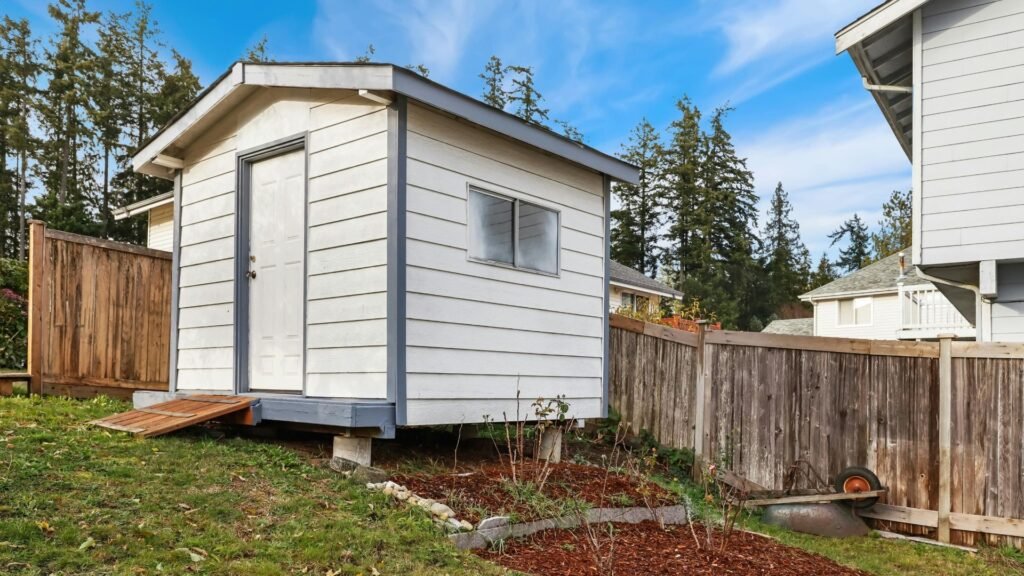
Nobody tolerates gloomy sheds in 2026. Designers incorporate massive windows, glass sliding doors, and skylights for deep-space sunlight without sacrificing wall storage. This focus makes spaces feel bigger, brighter, and inviting—critical for offices and gyms.
Best Shed Materials for Durability and Value
Material choice defines a shed’s lifespan and maintenance needs. Here’s the expert breakdown:
Metal Sheds: Longevity Champion
Metal sheds last 25-30 years, the longest among options. They offer strength, security, and affordability, with rust-resistant coatings for waterproof protection. While paintable in many colors, they lack wood’s aesthetic appeal and resin’s durability.
Best for: Budget-conscious buyers prioritizing security in high-wind regions.
Wood Sheds: Beauty with Maintenance
Wood remains the most beautiful, customizable option with traditional appeal. It’s visually pleasing and customizable for unique designs. However, wood requires regular maintenance—staining, sealing every 2-3 years—to prevent rot and pest damage.
Best for: Homeowners wanting classic aesthetics matching traditional house styles.
Vinyl/Resin Sheds: Balanced Choice
Vinyl strikes an ideal longevity-low maintenance balance. Resin sheds use high-quality lightweight plastic, more robust than wood with longer lifespans. Lifetime brands integrate steel supports and double-wall construction for enhanced strength.
Best for: Low-maintenance seekers wanting durability without wood’s upkeep.
Concrete Sheds: Ultimate Security
Concrete offers the best security and durability for valuable belongings. You can build interior storage like inside a home, with unmatched pest/weather resistance.
Best for: High-value storage in extreme climates.
ShedCalculator.com’s material estimator inputs dimensions for precise quantities, saving 10-15% on waste across all types.
Sustainable Building Practices for 2026
Environmental consciousness drives the 2026 shed design. Homeowners prioritize building practices reducing waste and carbon footprints while saving on energy bills.
Solar Integration
Shed roofs provide valuable real estate for solar panels. In 2026, integrating solar directly into designs powers lighting and AC completely off-grid. This is standard practice, not a luxury.
Rainwater Harvesting
Smart homeowners attach slimline rainwater tanks to shed guttering, harvesting water for garden irrigation during harsh summer months. This keeps gardens green while reducing municipal water reliance.
Eco-Friendly Materials
Builders increasingly use:
- Recycled steel framing: Reduces embodied carbon 30%
- Reclaimed timber interiors: Adds character and warmth without new harvesting
- Eco-insulation: Recycled glass or natural wool keeps sheds cool/warm without toxic chemicals
Modern Shed-style plans embrace superior insulation and energy-efficient windows as standard.
Cost Breakdown: Budgeting Your Shed Project
Understanding costs prevents the 70% budget overruns common in DIY builds.
DIY vs. Professional Build Costs
Regional variances matter: coastal areas see 15% premiums for humidity-resistant materials. Track lumber inflation—still up 8% year-over-year despite 2026 stabilization.
Hidden Costs to Anticipate
- Foundation: $500-$2,000 for concrete slabs or gravel bases
- Permits: $200-$1,500 depending on locality, timelines 2-6 weeks
- Electrical: $1,000-$3,000 for offices/gyms with outlets and lighting
- HVAC: $1,500-$4,000 for split-system AC in offices
- Flooring reinforcement: $800-$1,500 for gym weight loads
Start with ShedCalculator.com: select upgrades, enter dimensions, get labor breakdowns (40% of pro total). For 120 sq ft office shed: $7,500 pro base + 10% contingency = $8,250.
Mini Sheds for Small Yards
Even small yards require essential garden equipment, creating storage challenges. Compact mini sheds hold lawn mowers, rakes, hedge trimmers, and pots while maintaining small footprints.
Top 2026 mini options:
- Devoko steel: 5×3 ft, fits tight spaces, rust-resistant
- Vinyl compact: Weather-resistant, low maintenance, 4×6 ft
- Wood corner: Traditional aesthetic, utilizes unused corners
Mini sheds range $800-$2,500, perfect for yards under 500 sq ft.
Maintenance Tips Post-Build
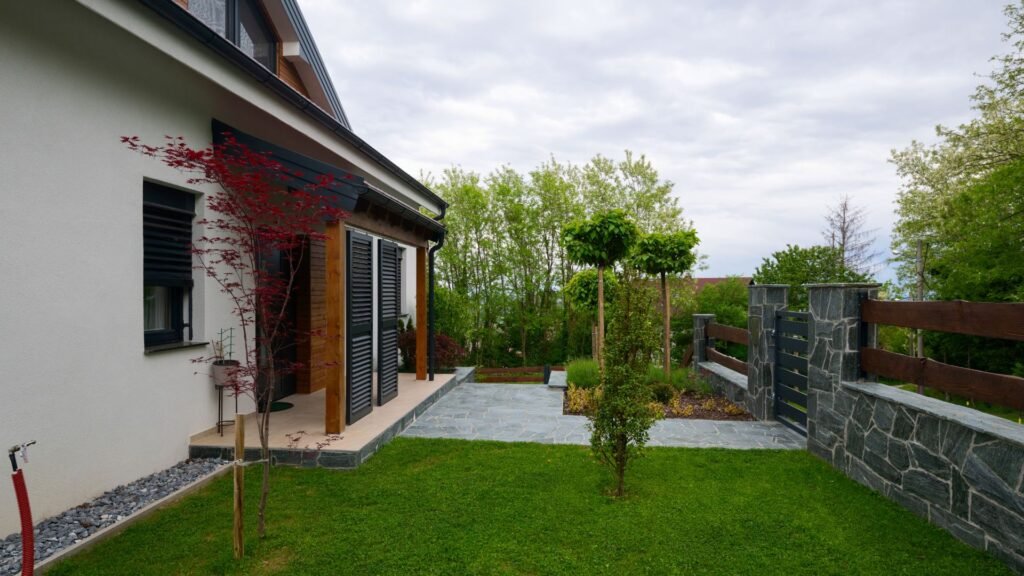
Proper maintenance extends the shed’s lifespan 10+ years:
- Wood: Stain/seal every 2-3 years, inspect for rot annually
- Metal: Clean with mild soap, check for rust spots, touch up paint
- Vinyl/Resin: Wash quarterly, no sealing needed
- Concrete: Inspect for cracks, seal annually in extreme climates
- All: Clear gutters seasonally, especially for rainwater systems
For eco-insulation, avoid moisture buildup with ventilation fans.
DIY vs. Professional: Choosing Right
DIY suits basic storage sheds ($1,500-$4,000 savings). Pros handle electrical/HVAC/plumbing for code compliance—critical for offices and gyms.
ShedCalculator.com’s pro matcher connects licensed local builders post-estimate. Permit timelines: 2-4 weeks rural, 4-6 urban.
ROI shines: finished sheds recoup 60-75% on resale, with offices adding $15,000-$25,000 property value.
Final Planning Steps
Use ShedCalculator.com today: generate reports, compare material scenarios (wood vs. vinyl), get precise quantities. Consult locals for permits—start early.
This 2026 guide positions ShedCalculator.com as your planning hub, blending trends with tools. For deeper federal energy incentives on solar-ready sheds, visit the authoritative Energy.gov portal: https://www.energy.gov/energysaver/financial-incentives-home-energy-efficiency.
Transform your backyard into a functional, sustainable space now—your future self will thank you. Whether office, gym, or garden hub, the right shed enhances lifestyle and property value for years.

